
Should you commute by bike?

Probably.
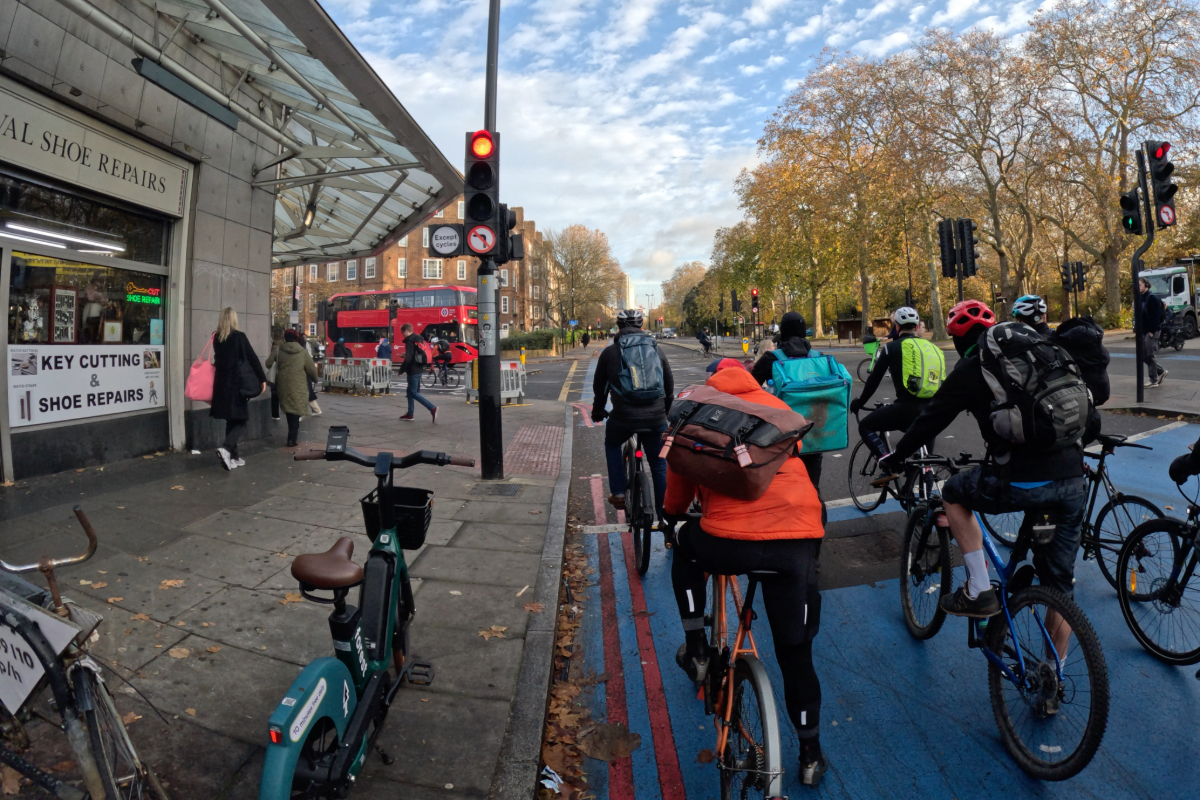
You might feel like you’re the only one thinking about it, but the numbers say otherwise. Since 2019, daily cycling journeys in London alone have jumped by 43%.
Cycling in the UK is no longer just about weekend club runs and cafe stops (although that’s still a great way to spend a Sunday). It has evolved into serious transport. It’s the fastest way to cross a city, the cheapest way to commute, and increasingly, the smartest way to get about.
You might be worried about how far you have to travel. In England, 71% of journeys are under 8km according to Gov.uk data. This is perfectly doable by bike, and sometimes quicker and definitely cheaper.
Ignoring all the financial and efficiency savings, it’s also quite fun.
Here are three reasons why you should probably commute by bike.
It’s cheaper
The cost of commuting in the UK isn’t cheap, take cars for example: when you factor in insurance, tax, MOT, servicing, and depreciation, the yearly cost of running a car is £5,740 according to a Social Market Foundation report.
Taking the Tube or Metro is cheaper than driving a car, but they can still be costly as a form of commute. If you’re in London, the daily cap for Zone 1 / 2 is £8.90 and if you get an annual travel card, it’ll work out to a daily cost of £7.77. Outside of London, Regional metro or tram services cost around £4 a day based on an annual pass.
However, if you’re a hybrid worker and can work from home several days a week, the regional metro cost jumps up to an average of ~£6.20 per day.
Now compare these costs to that of commuting by bike, after the initial purchase of the bike, running costs are negligible. Even allowing for a yearly bike service, you’re looking at around £100, or just £0.43 per commute day.
The initial cost of purchasing a bike is the biggest outlay, but you can find a bike for your commute with Cycle Compare, including great options available at retailers like Tredz, Balfe’s Bikes, and Decathlon for under £500.
When you take into account the costs of the various forms of transport, it’s clear that cycling is the most cost-efficient option. You could save yourself over £5,000 a year vs driving a car, or up to £1,600 a year vs public transport.
| Mode of Transport | Effective Daily Cost | Annual Cost (approx.) |
| Car | £25.00 | £5,740 |
| London Tube (Z1-2) | £7.77 | £1,788 |
| Regional Metro | £4.11 | £945 |
| Regional Bus (Season) | £3.74 | £860 |
| London Bus | £3.50 | £805 |
| Bike (Maintenance) | £0.43 | £100 |
What this table shows: A comparison based on a standard 230-day working year. ‘Effective Daily Cost’ is calculated using the smartest payment method for each mode: Car reflects total ownership (insurance, depreciation, etc.); Tube & Metro figures assume an upfront Annual Season Ticket; Bus figures assume daily ‘pay-as-you-go’ capped fares for London, and annual season tickets for Regional travel to reflect the cheapest option. Bike reflects maintenance costs from Year 2 onwards.
It’s more reliable, and often faster
You’ll find when you start commuting by bike, your journey becomes incredibly consistent. If you set off at the same time each day, you’ll get to work at exactly the same time every time.
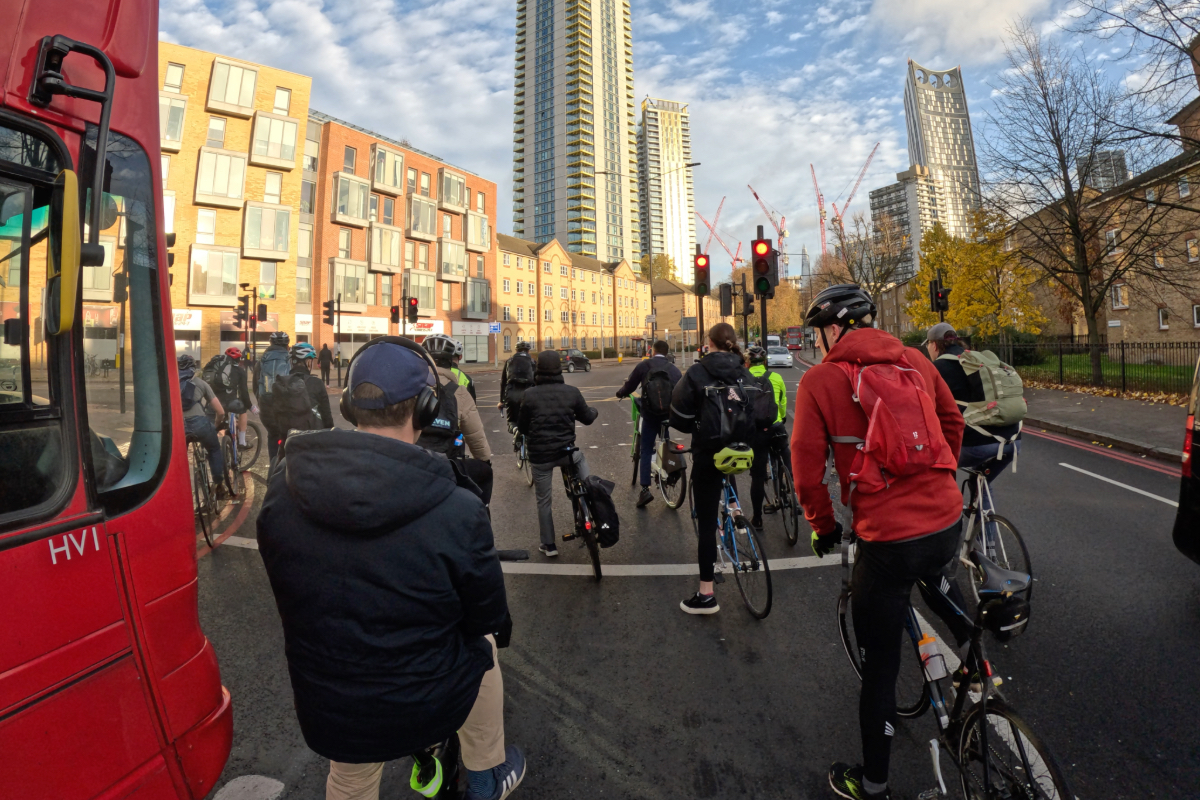
Traffic is not a problem for cycle commuters. While cars and buses are fighting for limited space in towns and cities, cycle lanes provide a much more efficient use of space. They create the perfect environment to maintain a faster average speed and avoid the inconsistency that traffic causes other modes.
E-bikes are a game-changer when it comes to cycle commuting. By providing assistance, they allow for greater distances with less effort. For those without showers & changing facilities at their work, E-bikes are the perfect solution to get you to work faster while staying fresh.
| Transport Mode | Average Speed (Urban) | Reliability |
| Car (National Urban Avg) | 16.2 mph | Low (Traffic dependent) |
| E-Bike | 15.5 mph | Very High (Consistent) |
| Car (London Avg) | 13.8 mph | Low |
| Bike (Commuter Avg) | 13.5 mph | High |
| London Bus | 9.3 mph | Medium |
| Car (Central London) | 7.4 mph | Very Low |
What this table shows: A comparison of average speeds on urban roads during peak hours. Car speeds are based on official 2024 Department for Transport statistics. Bus speeds are based on TfL performance data. Bike speeds are based on Strava Metro via Bike Radar averages for urban commuters.
It’s more enjoyable
Commuting by bike is simply more enjoyable. You could sit in traffic, cram onto a tube, or you could take a few minutes to yourself in the fresh air by cycling wherever you need to get to.
Cycling gives you time to decompress, get away from screens and the online world, and have some time to properly take in where you live. You will spot new local shops popping up, bump into friends, find shortcuts in your local area that you never knew existed. Plus, you can just pull over if there’s something you would like to get a closer look at.
So, should you commute by bike?
If you’re looking for a cheaper, more reliable, and enjoyable way to get to work or get to where you need to get to, commuting by bike is for you.
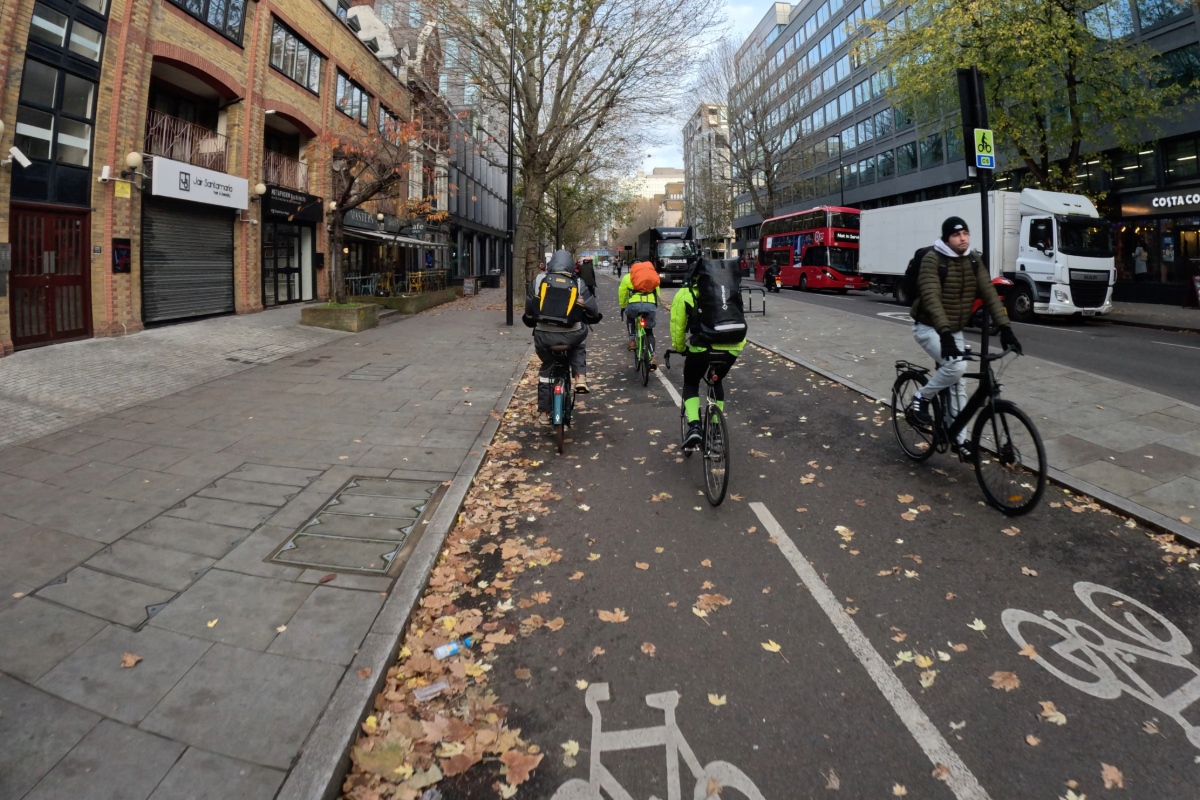
The best part is, you don’t even need to commit to buying a bike at first. You can give it a try by hiring a bike for the commute or the day, with towns and cities now operating their own hire bikes, alongside dockless firms like Lime, Voi, Forest, Tier, and even Brompton.
If you’re ready to purchase your own, search for bikes and accessories with Cycle Compare.